 1589 Lonsdale Avenue, Lincoln, RI 02865
 401-529-9306
1589 Lonsdale Avenue, Lincoln, RI 02865401-529-9306
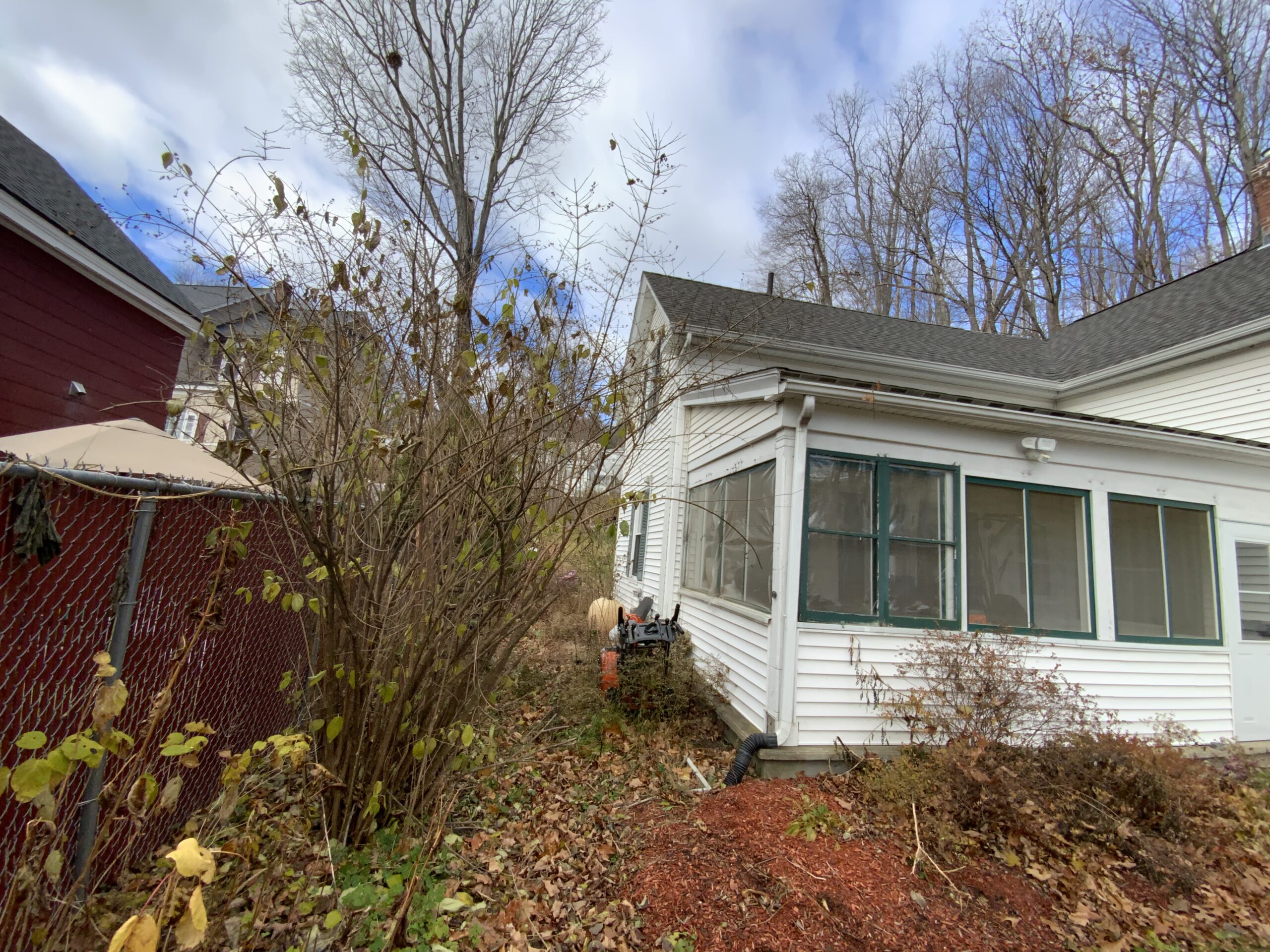
You do not have to clean out your parent’s house all at once, and in many cases you do not have to empty it before selling at all. Start by securing important papers and keepsakes, then sort room by room at a pace your family can handle. If the cleanout feels like too much — because of grief, distance, or the sheer amount left behind — BeaconLeaf buys inherited houses in Rhode Island and Massachusetts as-is, and you can take only what matters and leave the rest.
If walking into your parent’s kitchen and opening a drawer brings you to tears, nothing is wrong with you. A house is not just walls and furniture. It holds holiday meals, school photos, tools your dad fixed everything with, and recipes in your mom’s handwriting. Sorting through it means touching a whole life, item by item.
Many families in Rhode Island and Massachusetts tell us the cleanout — not the paperwork, not the sale — is the hardest part of settling a parent’s estate. That is normal. This guide is meant to make it gentler: small steps, no rush, and permission to stop when you need to.
Almost never. Unless the house is unsafe or the estate faces an urgent deadline, the cleanout can wait until your family has had time to breathe. Funerals, probate filings, and notifying family all come first.
What should not wait is protecting the house itself. Keep insurance in place, keep heat and utilities on at a safe level, collect the mail, and make sure the home is locked and looked in on. Those small steps protect the property while you take the time you need.
Probate in Massachusetts runs through the Probate and Family Court, and in Rhode Island through the city or town probate court where your parent lived. The personal representative or executor is usually the person coordinating decisions about the house — but cleaning out belongings is a family task, and it can begin whenever the family is ready.
Before a single box is packed, do one careful pass through the house looking only for important papers and valuables. Check desks, filing cabinets, nightstands, safes, and even coat pockets and freezers — families hide things in surprising places.
Set aside the will, deeds, insurance policies, bank and retirement statements, tax returns, car titles, and any letters your parent left about their wishes. Keep jewelry, cash, and sentimental items somewhere secure. Photograph each room before you change anything — those pictures help with insurance, help siblings who live far away see what is there, and give you a record if questions come up later.
Only after papers and valuables are safe should the sorting begin.
Work in short sessions — two or three hours is plenty — and take one room at a time. Grief is exhausting, and a whole house tackled in a weekend usually ends in burnout and regret.
Use four simple categories for everything you touch: keep for family, pass on to a specific person your parent would have wanted to have it, donate or sell, and let go. Label boxes clearly as you go. Start with the least emotional spaces, like a bathroom or linen closet, and save the most personal rooms for when you have support with you.
It is also okay to keep a small “not ready to decide” box. Some things need time, and deciding later is still deciding.
Once family members have claimed what they want, most houses still hold furniture, kitchenware, clothing, and boxes nobody needs. Local charities in Rhode Island and Massachusetts often accept furniture and household goods, and some will pick up larger items. An estate sale or a cleanout company can handle what remains, though both take time to arrange and the estate usually pays for the service.
Before donating or discarding, do one last check of drawers, pockets, and the backs of closets for anything missed. And keep anything the probate attorney or the estate’s tax professional may still need — when in doubt, ask before it leaves the house.
Remember: if the family decides to sell the house as-is, this entire step can be skipped. More on that below.
Disagreements over keepsakes are common, and they are rarely really about the item. A dining table can stand for childhood itself, and two siblings can want it for the same loving reason.
A few ground rules help: let everyone walk through and list what matters to them before anything is removed; take turns choosing when more than one person wants the same piece; and write down who is taking what so there are no surprises later. If your parent left a letter or list about specific items, let that guide the family first.
If feelings run high, pause. Belongings can wait a week. Family relationships are worth more than any piece of furniture, and most families find their way through with time and clear, kind communication.
Many heirs no longer live near the family home. Flying in for repeated weekends of sorting is expensive and draining, and some family members simply cannot face the house yet. Both are completely understandable.
Practical options include asking a trusted local family member or neighbor to check on the house, hiring help for the physical work once keepsakes are claimed, and handling decisions together by phone and photo — room pictures and video walk-throughs let distant siblings take part in choosing what to keep.
And there is one more option many families do not realize they have: you do not have to finish the cleanout at all. If the house will be sold, an as-is sale lets you take only what truly matters and leave everything else behind.
BeaconLeaf is a local buyer in Rhode Island and Massachusetts, and we work with families who have inherited a home. We buy houses as-is — no cleaning, no repairs, no staging, and no showings to prepare for.
Take the photos, the letters, the pieces of furniture that carry your family’s story. Leave the rest. We handle the cleanout after closing, on a timeline that works for your family, once the estate has the authority to sell.
If you would like to talk through your options, call us at 401-529-9306. There is no pressure and no obligation — sometimes a conversation is all a family needs to see the next step clearly.
How long does it take to clean out a parent’s house?
It varies widely. A small apartment might take a few weekends; a house a parent lived in for decades can take months of short visits. There is no correct pace — what matters is that important papers are secured early and the house stays protected while you work through it.
Do we have to empty the house before we can sell it?
Not if you sell as-is. A traditional listing usually requires the house to be emptied, cleaned, and repaired first. BeaconLeaf buys inherited houses with belongings still inside — you take what matters to you, and we handle the rest after closing.
What should we never throw away during a cleanout?
Keep legal and financial documents — the will, deeds, insurance policies, bank and tax records, and vehicle titles — plus anything your probate attorney or tax professional may need. When you are unsure about a document, set it aside and ask before discarding it.
Can we sell the house with belongings still inside?
Yes. Families sell inherited houses with furniture and belongings in place when they sell as-is for cash. Once the personal representative or executor has authority to sell, BeaconLeaf can close with the contents still in the home and handle cleanout afterward.
If you’ve inherited a house in Rhode Island or Massachusetts and the cleanout feels like too much, call BeaconLeaf Real Estate Solutions at 401-529-9306 for a no-pressure conversation about your options.
This post is general information only and is not legal or tax advice.